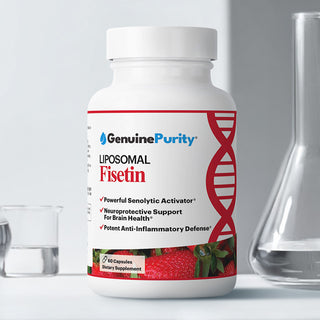
Liposomal delivery systems have emerged as a transformative technology in the nutraceutical and pharmaceutical arenas, offering a sophisticated means to protect sensitive actives and dramatically enhance their absorption. By encapsulating compounds within phospholipid vesicles, liposomes mimic the natural architecture of cell membranes, facilitating more efficient transport across gastrointestinal barriers. This article explores the scientific basis of liposomal formulas, the key factors influencing bioavailability, and practical considerations for selecting high-quality products.
Understanding Liposomal Architecture
At its core, a liposome is a spherical vesicle composed of one or more phospholipid bilayers surrounding an aqueous core. This structure provides several functional advantages:
- Encapsulation Protection: Sensitive nutrients such as vitamins, antioxidants, and phytochemicals are shielded from oxidation, gastric acidity, and enzymatic degradation.
- Membrane Fusion: The phospholipid composition enables liposomes to merge with intestinal cell membranes, releasing their payload directly into the cytoplasm.
- Controlled Release: By adjusting vesicle size and lipid composition, manufacturers can fine-tune the release profile for immediate or sustained delivery.
Key Components of Effective Liposomes
- Phospholipids: High-purity soy or sunflower phosphatidylcholine is preferred for stability and biocompatibility.
- Encapsulated Agent: The active ingredient must be compatible with the aqueous or lipid phase to achieve optimal loading efficiency.
- Size Distribution: Vesicles typically range from 50″?nm to 200″?nm; smaller particles often exhibit superior absorption.
- Surface Charge: A slight negative or neutral charge reduces aggregation and enhances mucosal permeability.
Mechanisms Driving Improved Bioavailability
Traditional oral supplements face multiple barriers, stomach acid, digestive enzymes, and the intestinal epithelium, all of which can degrade or limit the uptake of active compounds. Liposomal encapsulation addresses these challenges through several mechanisms:
- Bypassing First-Pass Metabolism: Liposomes can be taken up via the lymphatic system, reducing hepatic degradation.
- Enhanced Solubility: Hydrophobic compounds become water-compatible when lodged within the lipid bilayer, improving dissolution.
- Targeted Delivery: Surface modifications (e.g., ligands or polymers) can direct liposomes to specific tissues, further increasing efficacy.
Research consistently shows that liposomal formulations can increase plasma concentrations of certain nutrients by 2- to 5-fold compared with conventional powders or tablets. For those seeking evidence-based guidance, Discover expert strategies here provides a curated selection of studies and product analyses.
Choosing a High-Quality Liposomal Product
Not all liposomal supplements are created equal. Consumers should evaluate products based on transparent manufacturing practices and verifiable performance metrics.
Critical Evaluation Criteria
- Manufacturing Standards: Look for facilities adhering to GMP (Good Manufacturing Practices) and third-party testing.
- Encapsulation Efficiency: Products should disclose the percentage of active ingredient actually encapsulated.
- Stability Data: Shelf-life information, especially regarding oxidation resistance, is a strong indicator of quality.
- Independent Reviews: Peer-reviewed articles or reputable third-party certifications add credibility.
For a deeper dive into selecting the right formulation, Learn about our tailored solutions offers practical checklists and comparative charts.
Applications Across Health Domains
Liposomal delivery is not limited to a single category of supplements. Its versatility makes it valuable across a spectrum of health objectives.
- Immune Support: Vitamin C and zinc liposomes provide rapid cellular uptake during periods of heightened demand.
- Antioxidant Therapy: Curcumin, resveratrol, and fisetin benefit from enhanced stability and absorption, supporting oxidative stress management.
- Neurological Health: Liposomal omega-3s and B-vitamins cross the blood-brain barrier more effectively, aiding cognitive function.
- Skin and Beauty: Collagen peptides and hyaluronic acid delivered via liposomes improve dermal hydration and elasticity.
Professionals seeking comprehensive guidance can Explore advanced guides and tips that outline formulation nuances for each therapeutic area.
Future Directions and Emerging Trends
The field of liposomal technology continues to evolve, driven by advances in nanotechnology, lipid chemistry, and personalized nutrition.
- Hybrid Nanocarriers: Combining liposomes with polymeric nanoparticles aims to further increase stability and targeting precision.
- Smart Release Systems: pH-responsive or enzyme-triggered liposomes release their cargo only under specific physiological conditions.
- Personalized Formulations: AI-driven analysis of individual metabolic profiles may soon dictate custom liposomal blends for optimal results.
Staying informed about these innovations is essential for anyone invested in cutting-edge supplementation. To keep pace with the latest research, Find out more about this approach through regularly updated articles and webinars.
Conclusion
Liposomal formulas represent a sophisticated solution to the longstanding challenge of oral bioavailability. By protecting actives, facilitating membrane fusion, and enabling targeted delivery, they unlock the full therapeutic potential of many nutraceuticals. Selecting products that adhere to rigorous quality standards and leveraging the growing body of scientific evidence ensures that consumers can reap the benefits of this technology with confidence. As research progresses, liposomal delivery is poised to become an integral component of personalized health strategies, delivering nutrients exactly where they are needed most.