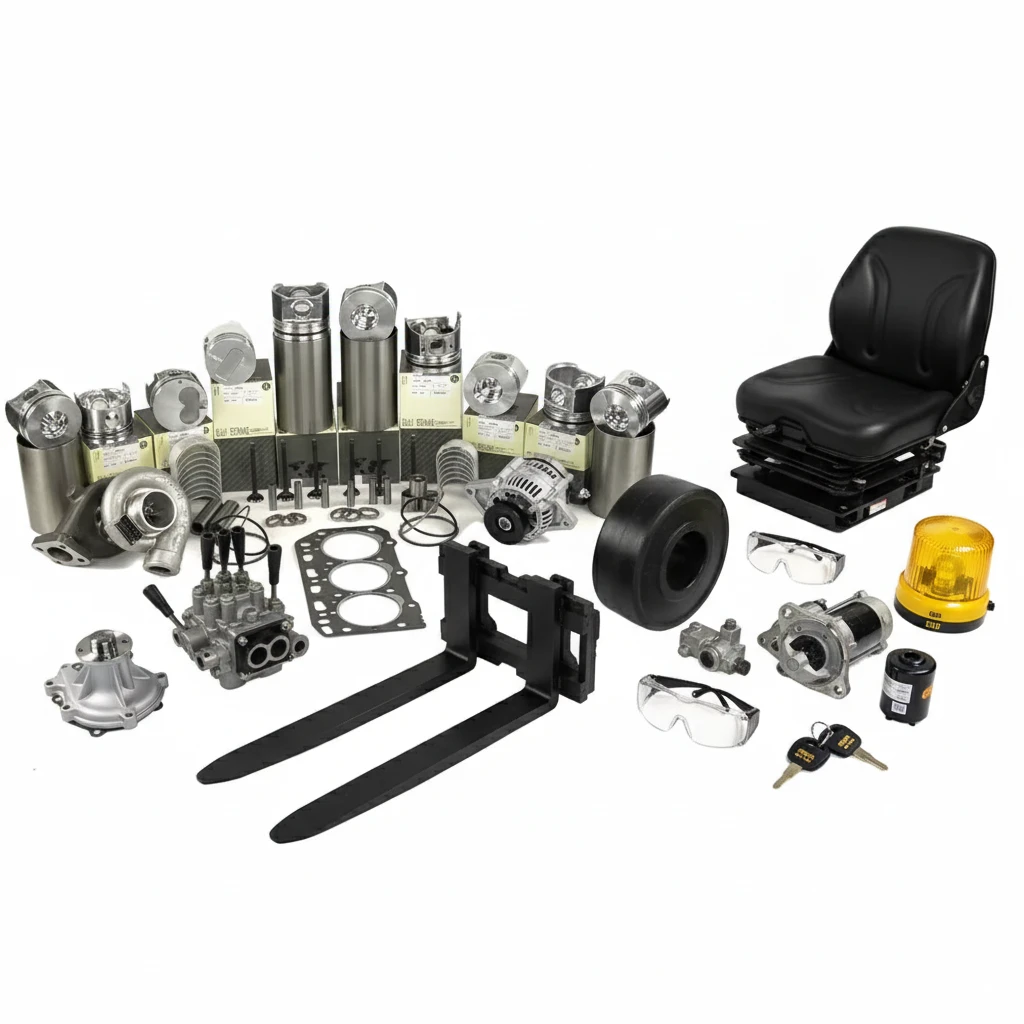
Forklifts play an essential role in many industrial settings, providing the muscle needed for moving heavy loads with efficiency and precision. However, like any piece of machinery, forklifts require regular maintenance to ensure they operate optimally. One of the critical components in a forklift’s cooling system is the radiator. A malfunctioning radiator can lead to overheating, which can cause significant damage to the engine. Recognizing when your forklift radiator needs replacement can save time, money, and prevent unexpected downtime.
Understanding the Role of the Forklift Radiator
The radiator is a crucial part of the forklift’s cooling system, designed to dissipate heat from the engine. When functioning correctly, the radiator ensures that the engine remains at an optimal temperature, preventing overheating and potential mechanical failures. Ensuring this component is in good condition is vital for maintaining the longevity and efficiency of the forklift.
Top Signs Your Forklift Radiator Needs Replacement
1. Overheating Engine
- The most apparent sign of a failing radiator is an overheating engine. If the temperature gauge on your forklift consistently runs hot, it may indicate the radiator is not cooling the engine effectively.
- Explore advanced guides and tips on diagnosing radiator issues here.
2. Coolant Leaks
- Check for puddles or drips of coolant under the forklift. A leaking radiator can cause a drop in coolant levels, leading to overheating.
- Learn about tailored solutions for dealing with coolant leaks by visiting this page.
3. Discolored or Rusty Coolant
- Coolant should be clear or slightly colored based on the type. Rusty or discolored coolant could indicate rust or sediment buildup in the radiator, affecting its performance.
- Find out more about this approach to maintaining clean coolant systems here.
4. Frequent Coolant Refills
- If you find yourself frequently topping off the coolant, it might be a sign of a leak or inefficiency within the radiator.
- Discover expert strategies to address continuous coolant loss here.
5. Corrosion and Damage
- Physical inspection of the radiator can reveal corrosion, damage, or debris that might block airflow and cooling efficiency.
- Explore advanced guides and tips for inspecting and maintaining your radiator here.
Preventive Measures and Maintenance Tips
Regular Inspections
Regular inspections can help detect early signs of radiator issues. Include a visual check of the radiator in your routine maintenance schedule to spot potential problems before they escalate.
Maintain Coolant Levels
Always ensure that your forklift has the right amount of coolant. Use the manufacturer’s recommended coolant type and ensure it is changed at regular intervals to prevent corrosion and buildup.
Clean Radiator Fins
The radiator’s fins can accumulate dust and debris over time, reducing cooling efficiency. Regular cleaning of these fins can help maintain optimal airflow. Discover expert strategies for cleaning and maintaining forklift components here.
Conclusion
Ensuring that your forklift’s radiator is in top condition is crucial for the continued efficiency and longevity of the machine. By recognizing the signs of a failing radiator and taking proactive steps for maintenance, potential breakdowns can be avoided. For more insights and tailored solutions on maintaining and replacing forklift radiators, learn more here.