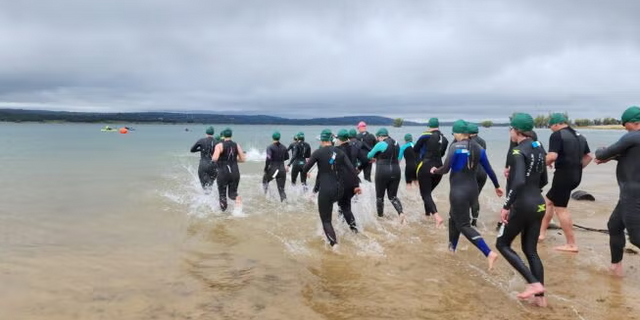
Embarking on your first triathlon is a thrilling venture that tests both your physical and mental stamina. As a triathlete, you are required to master three diverse disciplines – swimming, cycling, and running. The transition from one sport to another is a daunting task for many, especially for debut entrants. However, with structured preparation and strategic insights, the journey to the finish line can be both rewarding and exhilarating. This guide offers comprehensive insights into establishing a strong foundation for your debut race.
Understanding the Race Format
Every triathlon is structured with a specific order: swimming, cycling, and then running. Familiarizing yourself with this sequence is crucial for efficient transitions and optimal performance. The common formats include:
- Sprint Triathlon: Typically involves a 750m swim, 20km bike ride, and 5km run.
- Olympic Triathlon: Consists of a 1.5km swim, 40km bike ride, and 10km run.
- Half-Ironman: Features a 1.9km swim, 90km bike ride, and 21.1km run.
- Ironman: Comprises a 3.8km swim, 180km bike ride, and 42.2km run.
Understanding the nuances of each format can help you tailor your training regimen to meet the demands of your chosen race. Discover expert strategies here.
Training Essentials
Effective training is the cornerstone of triathlon success. It involves a blend of endurance, speed, and strength workouts. Consider the following components:
Swimming
Focus on building endurance and improving stroke efficiency. Incorporate both open water and pool sessions to adapt to different water conditions. Learn about our tailored solutions for swim training techniques.
Cycling
Invest in a good quality bike and ensure regular maintenance. Practice cycling on varied terrains to build confidence and resilience. Interval training can significantly enhance your speed and stamina.
Running
Incorporate a mix of long runs, interval sprints, and hill workouts into your routine. Ensuring proper form and pacing will help in conserving energy for the final leg of the race.
Transition Mastery
Transitions, often referred to as the fourth discipline in triathlons, are critical for minimizing downtime between segments. Effective transition strategies include:
- Practicing gear changes and setup beforehand to reduce transition times.
- Organizing equipment in a methodical manner for quick access.
- Using quick-dry apparel to minimize discomfort post-swim.
Explore advanced guides and tips on perfecting race-day transitions. Find out more about this approach.
Nutrition and Hydration Strategies
A balanced diet and proper hydration are essential for maintaining energy levels throughout the race. Consider these nutrition tips:
- Carbohydrate-rich meals in the days leading up to the race.
- Hydration strategies that include electrolytes to prevent cramping.
- Easily digestible energy gels or bars during the race to maintain energy.
Mental Preparation
The psychological aspect of racing cannot be understated. Visualizing success, setting realistic goals, and maintaining a positive mindset can significantly impact performance. Familiarize yourself with the racecourse and plan for unexpected challenges to boost confidence.
Conclusion
The first triathlon is a milestone that requires meticulous preparation and unwavering dedication. By understanding the race format, honing training techniques, mastering transitions, and adopting proper nutrition strategies, debut triathletes can navigate the challenges of their race with confidence and poise. For further insights and personalized guidance, explore advanced guides and tips tailored to enhance your triathlon experience.