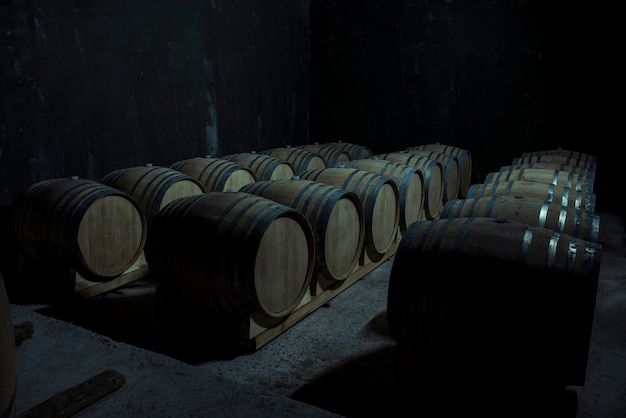
In recent years, the world of investments has seen a fascinating diversification beyond traditional stocks and bonds. Among these emerging opportunities is whiskey cask investment, a unique and intriguing option for those looking to diversify their portfolios. This form of investment involves purchasing casks of aging whiskey with the expectation that their value will appreciate over time. As investors seek out alternative avenues to grow their wealth, whiskey cask investment has become an increasingly popular choice. The allure of investing in a tangible asset, coupled with the potential for significant returns, makes it a compelling financial strategy.
Understanding Whiskey Cask Investment
Whiskey cask investment involves purchasing barrels of whiskey while they mature over several years. As the whiskey ages, it develops a more complex flavor profile, increasing its market value. Here’s a breakdown of what makes whiskey cask investment an attractive option:
- Tangible Asset: Unlike stocks or bonds, whiskey casks are physical assets, providing a sense of security and ownership.
- Appreciation Potential: High-quality whiskey often appreciates in value as it ages, sometimes exponentially.
- Diversification: Investing in whiskey casks can diversify an investment portfolio, reducing overall risk.
- Tax Efficiency: In some jurisdictions, whiskey investments may offer tax advantages compared to traditional assets.
The Process of Investing in Whiskey Casks
Investing in whiskey casks is a straightforward process, but it requires careful consideration and due diligence. Here’s how it typically works:
Research and Selection
The first step is to invest in whisky casks by conducting thorough research. Investors should consider factors such as distillery reputation, whiskey type, and market trends. Engaging with experts or consulting reputable guides can provide valuable insights into the most promising casks to purchase.
Purchase and Storage
Once a suitable cask is identified, the next step is the purchase. Casks are typically stored in bonded warehouses, where they continue to mature under optimal conditions. This storage process is crucial, as it ensures the whiskey develops the desired characteristics over time.
Monitoring and Exit Strategy
Investors need to regularly monitor the market and the maturation of their whiskey. Deciding when to sell is critical, as the right timing can significantly impact returns. Some investors choose to sell once the whiskey reaches a peak in flavor and value, while others may hold out for further appreciation. Exploring various whiskey barrel investment options can provide guidance on potential exit strategies.
Risks and Considerations
While whiskey cask investment offers many benefits, it also comes with certain risks. Investors should be aware of these potential challenges:
- Market Volatility: Like all investments, whiskey casks are subject to market fluctuations, which can affect their value.
- Long-Term Commitment: Whiskey cask investment often requires a long-term commitment, as significant returns may only be realized after several years.
- Storage and Insurance Costs: The cost of storing and insuring the casks can impact overall profitability.
- Authenticity and Fraud: Ensuring the authenticity of the cask and avoiding fraudulent sellers is crucial.
Conclusion
The rise of whiskey cask investment highlights a growing trend towards alternative investments that offer both financial growth and an element of passion. As with any investment, it is essential to conduct thorough research and consult industry experts to make informed decisions. For those interested in exploring this intriguing opportunity, more information on whiskey cask investment is readily available. By understanding the intricacies of the whiskey market and considering the potential risks and rewards, investors can make a smart financial move that aligns with their long-term goals.