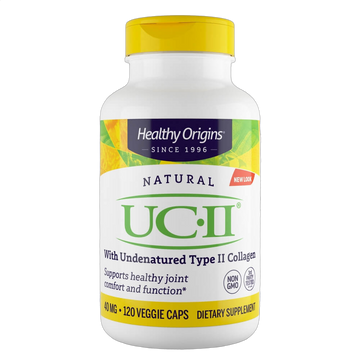
Collagen has emerged as a cornerstone nutrient for maintaining healthy joints, especially for individuals who lead active lifestyles or are experiencing the natural wear and tear that comes with age. While the body produces collagen naturally, production declines over time, leaving joints vulnerable to stiffness, discomfort, and reduced mobility. Incorporating a daily collagen supplement can help replenish this essential protein, supporting the structural integrity of cartilage, ligaments, and tendons. This article explores the science behind collagen supplementation, the specific benefits for joint care, and practical guidelines for integrating it into a daily routine.
Understanding Collagen’s Role in Joint Health
Collagen is the most abundant protein in the human body, forming a fibrous network that provides strength and elasticity to connective tissues. In joints, type”?II collagen is the primary component of cartilage, the smooth tissue that cushions bones and enables friction-free movement.
Key Functions of Collagen in the Joint Complex
- Structural Support: Forms the scaffold for cartilage, helping it retain shape and resist compressive forces.
- Hydration Maintenance: Binds water molecules, keeping cartilage supple and lubricated.
- Repair Facilitation: Supplies amino acids necessary for the synthesis of new collagen fibers during tissue regeneration.
Scientific Evidence Supporting Daily Collagen Supplementation
Numerous clinical studies have examined the impact of oral collagen peptides on joint health. A 2020 meta-analysis of randomized controlled trials reported a statistically significant reduction in joint pain and an improvement in functional scores among participants who took collagen supplements for 12 weeks or longer.
- In athletes, daily collagen intake combined with resistance training enhanced tendon thickness and reduced injury rates.
- Older adults experienced increased range of motion and decreased stiffness after consistent supplementation.
- Patients with osteoarthritis reported lower pain intensity and reliance on analgesics when collagen was part of their regimen.
These findings suggest that collagen works not only as a building block but also as a modulator of inflammation, potentially lowering the production of pro-inflammatory cytokines that contribute to joint discomfort.
Practical Benefits of a Daily Collagen Supplement
1. Reduced Joint Pain and Stiffness
Regular intake can alleviate the aching sensations that often accompany prolonged activity or aging. By replenishing the extracellular matrix, collagen helps maintain cartilage resilience, leading to smoother joint movement.
2. Enhanced Mobility and Performance
For athletes and fitness enthusiasts, improved joint function translates to better performance. Stronger tendons and ligaments can handle higher loads, allowing for more intensive training without compromising joint integrity.
3. Support for Post-Injury Recovery
Collagen provides the amino acids needed for tissue repair, accelerating the healing process after sprains, strains, or minor tears. Incorporating it into a post-injury nutrition plan can shorten downtime and promote stronger scar tissue formation.
4. Complementary Benefits for Skin, Hair, and Nails
Because collagen is a systemic protein, supplementing for joint health also supports skin elasticity, hair strength, and nail growth, making it a versatile addition to overall wellness strategies.
How to Choose an Effective Collagen Supplement
When selecting a product, consider the source, bioavailability, and additional ingredients that may enhance absorption.
- Source: Hydrolyzed bovine or marine collagen peptides are most commonly used for joint support due to their high content of type”?II collagen.
- Bioavailability: Look for products that are hydrolyzed (broken down into smaller peptides) to ensure efficient absorption in the small intestine.
- Added Cofactors: Vitamin”?C, hyaluronic acid, and manganese can boost collagen synthesis and joint lubrication.
For a curated selection of high-quality options, Discover expert strategies here.
Integrating Collagen into a Daily Routine
Consistency is key. Here are simple ways to make collagen supplementation a habit:
- Morning Boost: Mix a scoop of collagen powder into coffee, tea, or a smoothie before breakfast.
- Mid-Day Snack: Add collagen to yogurt or oatmeal for an extra protein punch.
- Pre-Workout: Combine collagen with a carbohydrate source to support joint resilience during intense sessions.
- Evening Routine: Stir collagen into warm milk or a calming herbal infusion before bedtime.
Pairing collagen with a balanced diet rich in antioxidants and omega-3 fatty acids can further protect joint tissue from oxidative stress.
Potential Considerations and Safety
Collagen supplements are generally well-tolerated, but it’s prudent to be aware of a few points:
- Individuals with seafood allergies should avoid marine-derived collagen.
- Those with specific medical conditions or on medication should consult a healthcare professional before beginning supplementation.
- Pregnant or breastfeeding individuals should seek medical advice to confirm appropriate dosage.
Conclusion: A Sustainable Approach to Joint Longevity
Investing in joint health through a daily collagen supplement offers a scientifically backed, low-risk strategy to maintain mobility, reduce discomfort, and support overall connective-tissue wellness. By choosing a high-quality, hydrolyzed product and incorporating it seamlessly into everyday meals, individuals can experience measurable improvements in joint function while also benefiting skin, hair, and nail health.
For those seeking comprehensive guidance on collagen supplementation and its broader applications, Explore advanced guides and tips that align with evidence-based practices.
To stay informed about the latest research and practical recommendations, Find out more about this approach and keep your joints resilient for years to come.