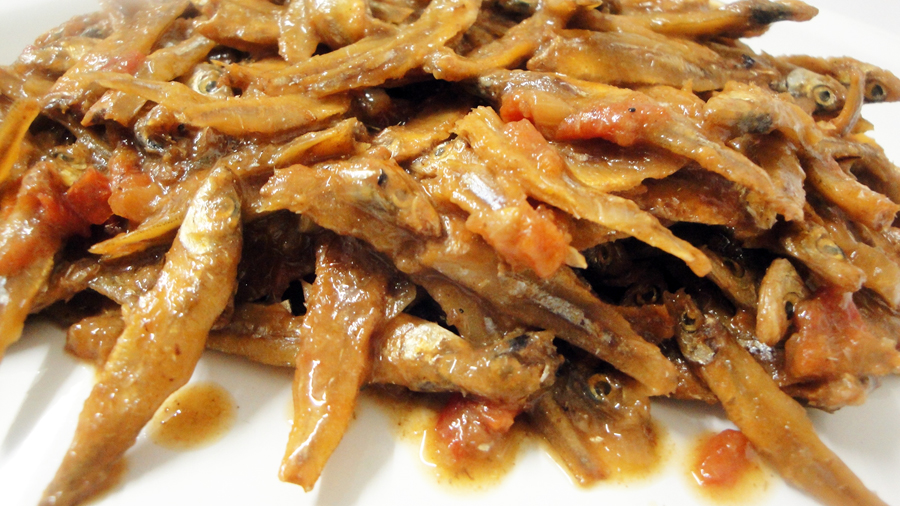
Zambia, a country rich in cultural diversity, offers a culinary landscape that is as vibrant as its people. Among the many delights of Zambian cuisine, Kapenta Chikanda stands out for its unique taste and the cultural significance it holds. This traditional dish, with its rich history and unique preparation methods, provides a window into the culinary heart of Zambia. Delving into the world of Kapenta Chikanda allows food enthusiasts to appreciate not just the flavors but also the stories that Zambian cuisine tells.
Understanding Kapenta Chikanda
Kapenta, a type of small fish similar to sardines, is a staple in many Zambian households. It is often dried and can be prepared in various ways. Chikanda, on the other hand, is often referred to as “African polony” due to its texture and appearance, though it is plant-based, made from wild orchids tubers.
Key Ingredients
- Kapenta: Small dried fish, rich in protein and omega-3 fatty acids.
- Chikanda: Made from tubers of wild orchids, offering a unique, earthy flavor.
- Peanuts: Often used to enhance the flavor and add a creamy texture.
- Spices: A blend of local spices that bring out the savory notes of the dish.
Preparation and Cooking Techniques
The preparation of Kapenta Chikanda is an art that has been passed down through generations. Each step is crucial in achieving the desired flavor and texture.
- Kapenta is typically soaked to soften before being fried or cooked in a sauce.
- Chikanda is grated and mixed with ground peanuts and spices before being boiled and set to form a loaf-like structure.
- The two components can be served together or separately, depending on personal preference.
For those interested in trying their hand at making this dish, a detailed guide is available here: Explore advanced guides and tips.
The Cultural Significance of Kapenta Chikanda
Beyond its taste, Kapenta Chikanda holds a special place in Zambian culture. It is not just a dish but a representation of the resourcefulness and tradition of Zambian people.
- Kapenta is an affordable source of nutrition, widely accessible to many communities.
- Chikanda is often prepared during special occasions, symbolizing community and togetherness.
- The dish embodies the use of locally available resources, showcasing the ingenuity of Zambian culinary practices.
To understand more about the traditional aspects of this dish, find out more about this approach.
Global Appreciation and Culinary Fusion
While firmly rooted in Zambian culture, Kapenta Chikanda has started gaining recognition on the global stage. Chefs and food enthusiasts around the world are beginning to explore its unique flavors and incorporate them into fusion dishes.
- International chefs are experimenting with Kapenta in salads and gourmet dishes.
- Chikanda is being appreciated as a vegan-friendly protein alternative.
- Food festivals and culinary tours often feature this dish as a highlight of African cuisine.
For those wanting to learn how to integrate this dish into modern culinary trends, discover expert strategies here.
Conclusion
Kapenta Chikanda is more than just a meal; it is a journey into the heart of Zambia. Its unique flavors and cultural significance make it a dish worth exploring for anyone interested in global cuisines. Whether enjoyed in its traditional form or as part of a modern culinary fusion, Kapenta Chikanda offers a taste of Zambia that is both authentic and innovative.