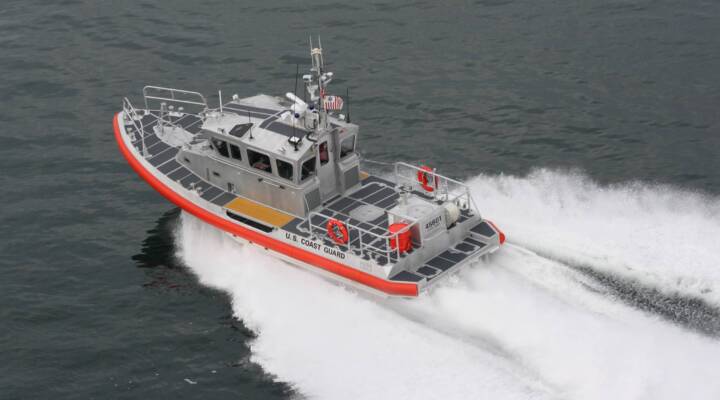
Marine engine exhaust systems are pivotal components in ensuring the optimal performance and longevity of maritime vessels. These systems play a critical role in expelling exhaust gases from engines, thereby maintaining the engine’s efficiency and preventing the accumulation of harmful gases. Selecting the right exhaust system can significantly impact not only the performance of a vessel but also its environmental footprint. In today’s maritime industry, where sustainability and performance are paramount, understanding the nuances of marine engine exhaust systems has never been more essential.
Understanding Marine Engine Exhaust Systems
Marine engine exhaust systems are designed to manage the emissions from the engine, guiding them safely away from the vessel. Their primary functions include:
- Reducing noise levels produced by the engine.
- Preventing back-pressure that can hinder engine performance.
- Ensuring emissions meet environmental standards.
- Safely directing gases away from the vessel to prevent corrosion and other damage.
For more detailed insights on how these systems function, read more about this topic.
Types of Marine Engine Exhaust Systems
Wet Exhaust Systems
Wet exhaust systems are prevalent in many modern marine vessels. They introduce water into the exhaust stream, which aids in cooling the gases and reducing noise levels. Key advantages include:
- Enhanced noise reduction due to water absorption of sound.
- Lower exhaust temperatures which reduce the risk of fire hazards.
- Efficient space utilization as they require smaller installations.
These systems are particularly suitable for small to medium-sized vessels. To learn more in this detailed guide about wet exhaust systems, explore further insights here.
Dry Exhaust Systems
Unlike their wet counterparts, dry exhaust systems do not mix water with exhaust gases. They are typically used in larger ships where noise reduction is less of a concern or where the engine design is not compatible with wet systems. The benefits include:
- Higher efficiency in heat management as the heat is dissipated through dry stacks.
- Greater durability as there is no water-induced corrosion.
- Ability to handle higher exhaust volumes typical in industrial applications.
Dry systems are ideal for vessels operating in colder climates where freezing could be an issue. Explore further insights here to understand the applications of dry exhaust systems better.
Key Considerations When Choosing an Exhaust System
Choosing the right exhaust system involves several key considerations to ensure compatibility and performance:
- Engine Type and Size: Ensure the system matches the engine’s specifications to avoid back-pressure issues.
- Vessel Type and Usage: Consider whether the vessel requires noise reduction or can accommodate larger installations.
- Environmental Regulations: Compliance with local and international emissions standards is crucial.
- Maintenance and Longevity: Select systems that offer easy maintenance and are constructed from durable materials.
For additional information on selecting the appropriate systems, find additional information here.
Conclusion
Marine engine exhaust systems are an indispensable part of any maritime vessel, contributing significantly to performance, safety, and environmental compliance. Understanding the differences between wet and dry systems, as well as the specific needs of your vessel, is essential in making an informed decision. As maritime technology advances, staying informed about the latest in exhaust system technology is crucial. For those looking to deepen their understanding and ensure their vessels are outfitted with the best possible systems, explore further insights here.