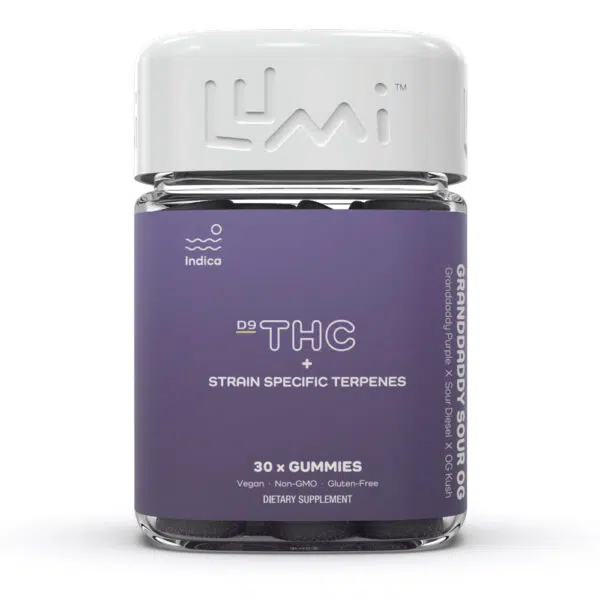
The cannabis industry has witnessed a surge in popularity over the past few years, with the rise of various products containing different types of THC. Two of the most talked-about compounds are Delta 9 THC and Delta 8 THC. While they share some similarities, they have distinct differences in terms of their effects, legal status, and uses. In this article, we will delve into the world of Delta 9 and Delta 8 THC products, exploring their unique characteristics and helping you make an informed decision.
Difference Between Delta 9 and Delta 8 THC
Delta 9 THC, also known as Delta 9 tetrahydrocannabinol, is the primary psychoactive compound found in cannabis plants. It is responsible for the ‘high’ associated with marijuana use. Delta 9 THC binds to cannabinoid receptors in the brain, producing feelings of euphoria, relaxation, and altered perception. On the other hand, Delta 8 THC, or Delta 8 tetrahydrocannabinol, is a lesser-known isomer of THC that has gained popularity in recent years. Delta 8 THC is said to produce a milder, more relaxing effect compared to Delta 9 THC, with less anxiety and paranoia.
Legality and Availability
Delta 9 THC is still a Schedule I controlled substance under federal law in the United States, meaning it is heavily regulated and subject to strict laws. In contrast, Delta 8 THC is not federally regulated, making it more accessible to consumers. However, the legality of Delta 8 THC products can vary from state to state, with some jurisdictions considering them a Schedule I substance. To stay up-to-date on the latest laws and regulations, Discover expert strategies here to navigate the complex landscape.
Difference in Effects
The effects of Delta 9 and Delta 8 THC products are distinct, with Delta 9 THC producing a more intense, psychoactive experience. Delta 9 THC can cause anxiety, paranoia, and altered perception, which may not be desirable for everyone. Delta 8 THC, on the other hand, is said to produce a more relaxed, mellow effect, with some users reporting reduced anxiety and improved mood. Explore advanced guides and tips on how to choose the right THC product for your needs.
Uses and Applications
Delta 9 THC products are often used for recreational purposes, while Delta 8 THC products are gaining popularity for their potential therapeutic benefits. Delta 8 THC may help with anxiety, pain relief, and sleep disorders, making it an attractive option for those seeking a more relaxed, non-psychoactive experience. Find out more about this approach and how it can be incorporated into your wellness routine.
Conclusion
In conclusion, Delta 9 and Delta 8 THC products have unique characteristics that set them apart from one another. While Delta 9 THC is the primary psychoactive compound found in cannabis, Delta 8 THC is a lesser-known isomer with a milder, more relaxing effect. Understanding the differences between these two compounds is crucial for making informed decisions about your cannabis use. By exploring the distinct effects, legality, and uses of Delta 9 and Delta 8 THC products, you can choose the right product for your needs and preferences.
When selecting a THC product, it’s essential to consider your individual needs and goals. Whether you’re looking for a recreational experience or seeking therapeutic benefits, Learn about our tailored solutions and how they can help you achieve your desired outcomes. With the right knowledge and guidance, you can navigate the complex world of THC products and make informed decisions about your cannabis use.
Remember, the cannabis industry is constantly evolving, with new products and technologies emerging regularly. Staying informed and up-to-date on the latest developments is crucial for making the most of your THC experience. By exploring the world of Delta 9 and Delta 8 THC products, you can unlock a deeper understanding of the complex relationships between THC, CBD, and your body.