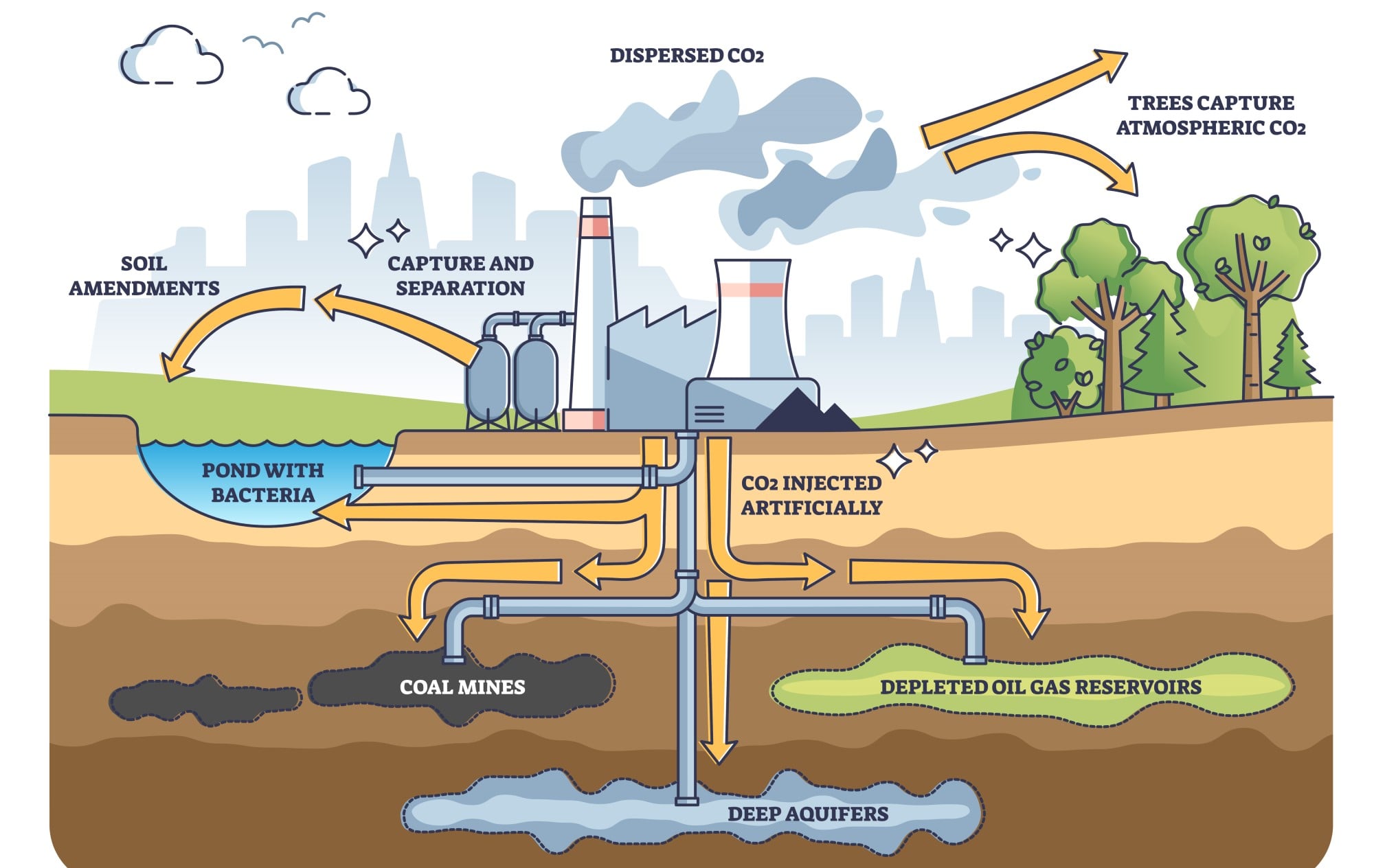
As global temperatures rise and climate change becomes an increasingly pressing issue, the focus on innovative solutions to reduce carbon emissions has intensified. Among these solutions, carbon dioxide capture technologies have emerged as a vital tool in the fight against environmental degradation. These technologies aim to capture CO2 emissions from industrial sources and prevent them from entering the atmosphere, thereby mitigating their impact on global warming. This article delves into the various carbon dioxide capture solutions, exploring their mechanisms, benefits, and challenges.
Understanding Carbon Dioxide Capture
Carbon dioxide capture involves different technologies designed to capture CO2 emissions at their source. These technologies are primarily used in industries such as power generation, cement production, and steel manufacturing, which are significant contributors to CO2 emissions. The captured carbon can then be stored or utilized in various ways, thus reducing its impact on the environment.
Types of Carbon Capture Technologies
- Post-Combustion Capture: This method involves capturing CO2 after fossil fuels have been burned. It is one of the most common techniques due to its applicability to existing power plants.
- Pre-Combustion Capture: In this process, carbon is removed from fossil fuels before combustion. It is commonly used in industrial applications where hydrogen is produced.
- Oxy-Fuel Combustion: This technology burns fossil fuels in oxygen instead of air, resulting in a flue gas that is mostly CO2 and water vapor, making it easier to capture the CO2.
These technologies have varying efficiencies and are chosen based on the specific needs and processes of the industry involved.
Benefits of Carbon Dioxide Capture
Implementing carbon dioxide capture technologies offers numerous environmental and economic benefits:
- Reduction in Greenhouse Gas Emissions: By capturing and storing CO2, these technologies help in significantly reducing the amount of greenhouse gases released into the atmosphere.
- Support for Existing Infrastructure: Many carbon capture technologies can be integrated into existing industrial processes, minimizing the need for new infrastructure investments.
- Enhanced Oil Recovery: Captured CO2 can be used in enhanced oil recovery (EOR) techniques, where it is injected into oil fields to increase oil extraction.
- Economic Opportunities: The development and implementation of carbon capture solutions can lead to job creation and stimulate economic growth in the technology and energy sectors.
Challenges and Considerations
While carbon capture technologies offer promising solutions, they are not without challenges. These include:
- High Costs: The implementation of carbon capture technologies can be costly, often requiring significant investment in infrastructure and maintenance.
- Energy Intensity: Carbon capture processes can be energy-intensive, potentially offsetting some of the environmental benefits if the energy used is not sourced sustainably.
- Storage and Leakage Risks: The long-term storage of CO2 poses risks of leakage, which could undermine the efforts to reduce emissions.
- Policy and Regulation: The successful deployment of carbon capture technologies often depends on supportive government policies and regulatory frameworks.
The Future of Carbon Dioxide Capture
As the world grapples with the realities of climate change, the development and deployment of efficient carbon capture technologies become increasingly crucial. Ongoing research and innovation are expected to improve the cost-effectiveness and efficiency of these technologies, making them more accessible and widely applicable. Collaborative efforts between industries, governments, and research institutions are key to advancing carbon capture solutions and achieving global emission reduction targets.
In conclusion, carbon dioxide capture presents a viable pathway toward a more sustainable future. By addressing the current challenges and leveraging technological advancements, these solutions can play a significant role in transitioning to a low-carbon economy. For further insights into the latest advancements in carbon dioxide capture, visit Svante Inc.