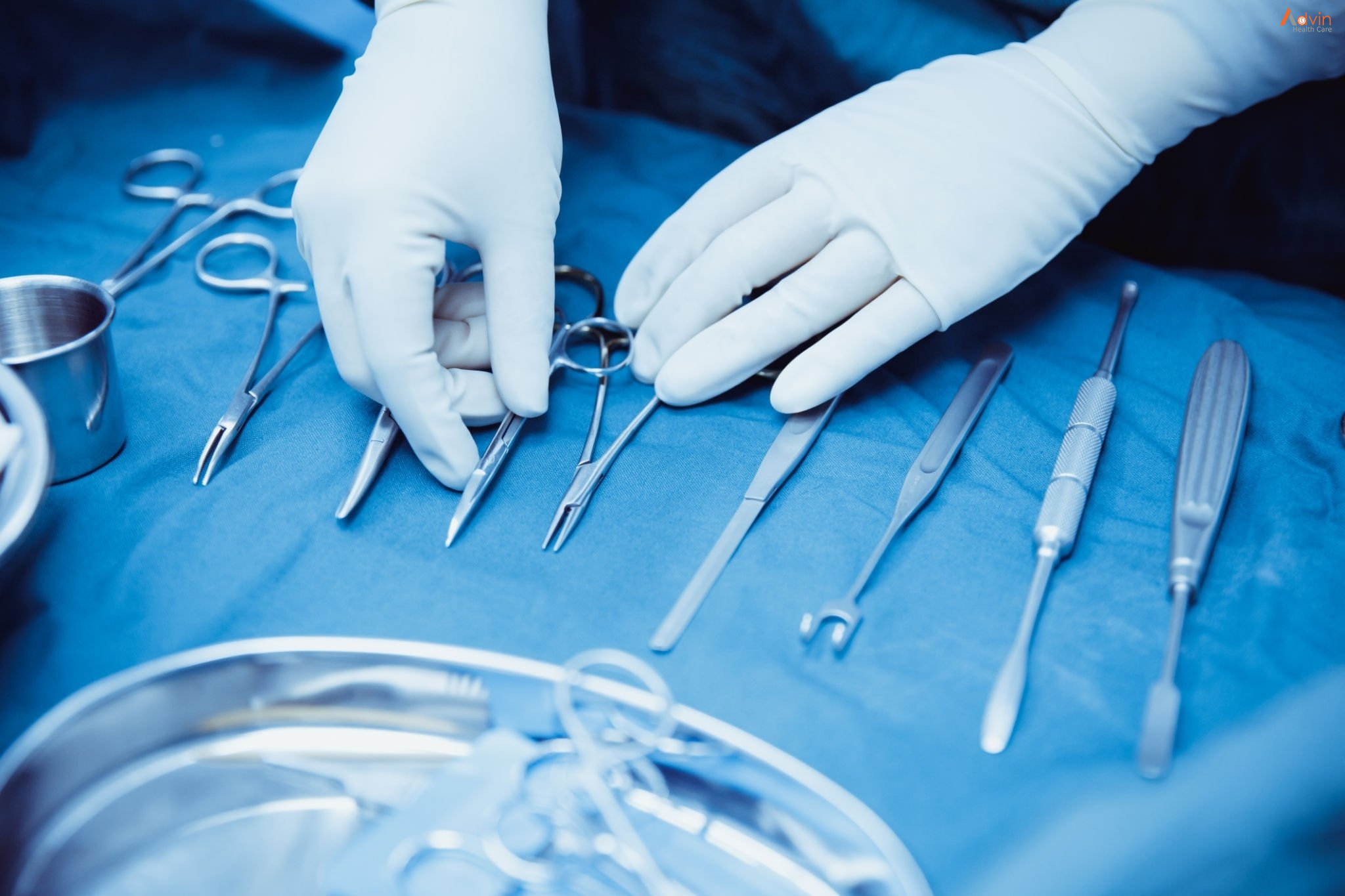
In the fast-paced and high-stakes environment of surgery, the importance of having the right surgery equipments cannot be overstated. Medical professionals rely on specialized tools to perform complex procedures that save lives and improve patient outcomes. This guide aims to outline the essential surgical equipment that every medical professional should be familiar with, providing insights into their uses and importance.
Basic Surgical Instruments
At the core of any surgical procedure are the basic instruments that surgeons use to make incisions, hold tissues, and close wounds. These include:
- Scalpels: Precision cutting instruments used to make incisions. Available in various sizes and shapes for different surgeries.
- Forceps: Tweezer-like instruments used for holding or grasping tissues.
- Scissors: Used for cutting tissues and sutures. They come in different types, such as dissecting scissors and suture scissors.
- Needle Holders: Essential for suturing, these instruments securely hold the needle while stitching tissues.
Advanced Surgical Instruments
In addition to the basic instruments, advanced surgical procedures require more specialized tools. Here are some of the key medical surgical equipment used in modern operating rooms:
- Electrocautery Devices: Used to cut tissue and control bleeding by using electrical currents.
- Endoscopes: Instruments that allow surgeons to view the inside of the body through small incisions, often used in minimally invasive surgeries.
- Retractors: Tools that hold back skin, muscles, and tissues to provide better visibility and access during surgery.
- Suction Devices: Essential for removing blood and other fluids to keep the surgical site clear.
Role of Technology in Surgical Equipment
The integration of technology in surgical equipment has revolutionized the way surgeries are performed. The following advancements have significantly impacted surgical outcomes:
- Robotic Surgery Systems: Allow for greater precision and control, reducing human error and improving recovery times.
- 3D Imaging Tools: Provide detailed views of the surgical area, aiding in pre-operative planning and real-time decision-making.
- Laser Surgery Equipment: Offers precise cutting and reduced damage to surrounding tissues, leading to faster healing.
Choosing the Right Surgical Equipment
Selecting the appropriate equipment is crucial for the success of surgical procedures. Considerations for choosing the right surgical equipment distributors include:
- Quality and Durability: High-quality instruments ensure reliability and longevity, reducing the risk of malfunction during critical procedures.
- Compliance with Standards: Equipment should meet national and international safety and performance standards.
- Supplier Reputation: Partnering with reputable surgical equipment suppliers ensures access to the latest technology and reliable after-sales support.
- Cost-effectiveness: Balancing quality with budget constraints is essential for efficient resource management in healthcare facilities.
Conclusion
The landscape of surgical equipment is vast and continually evolving, driven by technological advancements and the need for improved patient outcomes. Understanding the essential tools and their applications is critical for medical professionals to perform surgeries effectively and efficiently. By staying informed and working with trusted suppliers, healthcare providers can ensure they have access to the best resources available to deliver exceptional care.