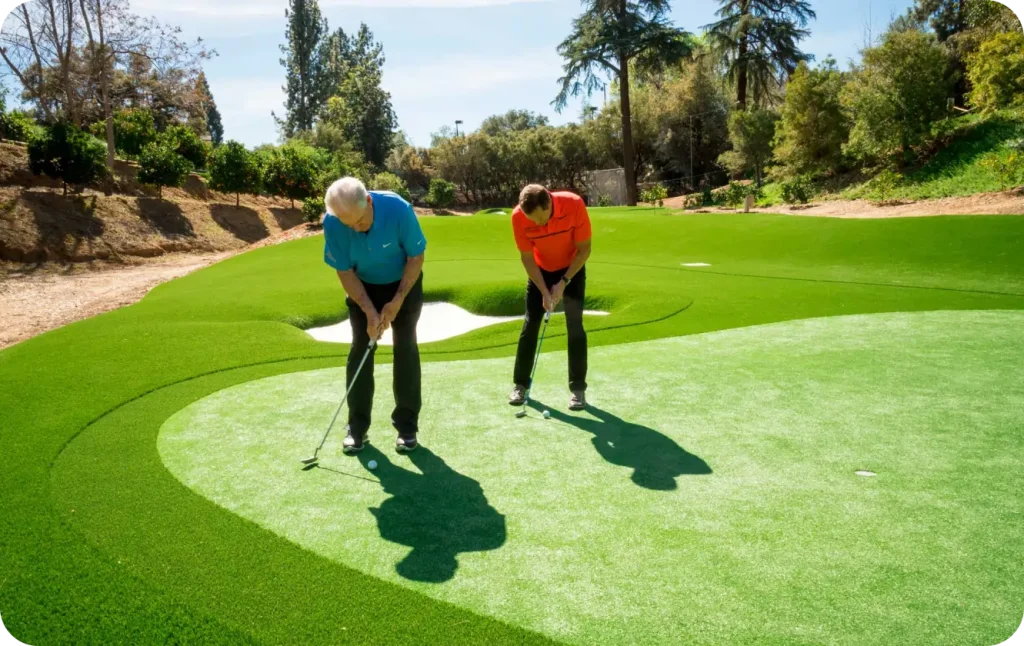
Transforming a backyard into a serene retreat is a dream for many homeowners. Artificial turf grass installation offers a practical and aesthetically pleasing solution to achieve this goal. It provides a lush, green appearance year-round, without the hassle of constant maintenance. With its growing popularity, artificial turf is not just for sports fields anymore; residential properties are increasingly embracing this innovative landscaping choice. This article explores the benefits and considerations of installing artificial turf, guiding homeowners on how to create their own outdoor oasis.
Advantages of Artificial Turf Grass
Artificial turf offers numerous benefits that make it an attractive alternative to natural grass. Here are some key advantages:
- Low Maintenance: No need for mowing, watering, or fertilizing.
- Durability: Able to withstand heavy foot traffic and various weather conditions.
- Cost-Effective: Reduces water bills and lawn care expenses over time.
- Eco-Friendly: Conserves water and eliminates the use of harmful pesticides.
- Consistent Aesthetic: Provides a green, lush look year-round.
For those interested in learning more about the benefits and practical applications of artificial turf, discover expert strategies here.
Installation Process
Preparation and Planning
The first step in artificial turf installation is thorough planning. This involves measuring the area, selecting the right type of turf, and preparing the ground. Here are some considerations:
- Measure the Area: Accurately measure the installation space to determine the amount of turf needed.
- Select the Turf: Choose a turf type that matches the desired look and functionality.
- Prepare the Ground: Remove any existing grass or debris and ensure the ground is level.
For detailed guidance on starting the installation process, learn about our tailored solutions.
Installation Steps
Once the preparation is complete, the installation process involves several key steps:
- Base Layer: Lay a solid base of crushed stone or gravel for drainage.
- Compacting: Use a plate compactor to compress the base material.
- Rolling Out the Turf: Roll out the turf over the prepared area, ensuring it fits snugly.
- Securing the Turf: Secure the edges with landscape staples or nails.
- Infill Application: Apply infill material, such as silica sand, to maintain the turf’s stability and appearance.
Homeowners looking for a comprehensive guide on turf installation can explore advanced guides and tips.
Maintenance and Care
Although artificial turf requires less maintenance than natural grass, some care is still necessary to keep it looking its best:
- Regular Cleaning: Remove debris and rinse the surface to prevent dust buildup.
- Brushing: Use a stiff broom to brush the turf fibers, keeping them upright.
- Stain Removal: Address spills promptly to avoid staining.
To ensure long-lasting performance and aesthetics, homeowners can find out more about this approach.
Conclusion
Artificial turf grass installation is a cost-effective and visually appealing solution for creating a beautiful outdoor oasis. With its minimal maintenance requirements and year-round greenery, it is an excellent choice for homeowners seeking a hassle-free landscaping option. By carefully planning and executing the installation process, and maintaining the turf properly, an artificial lawn can enhance both the functionality and aesthetic of any outdoor space. For those considering this transformation, expert resources and guidance are readily available to ensure a successful project.