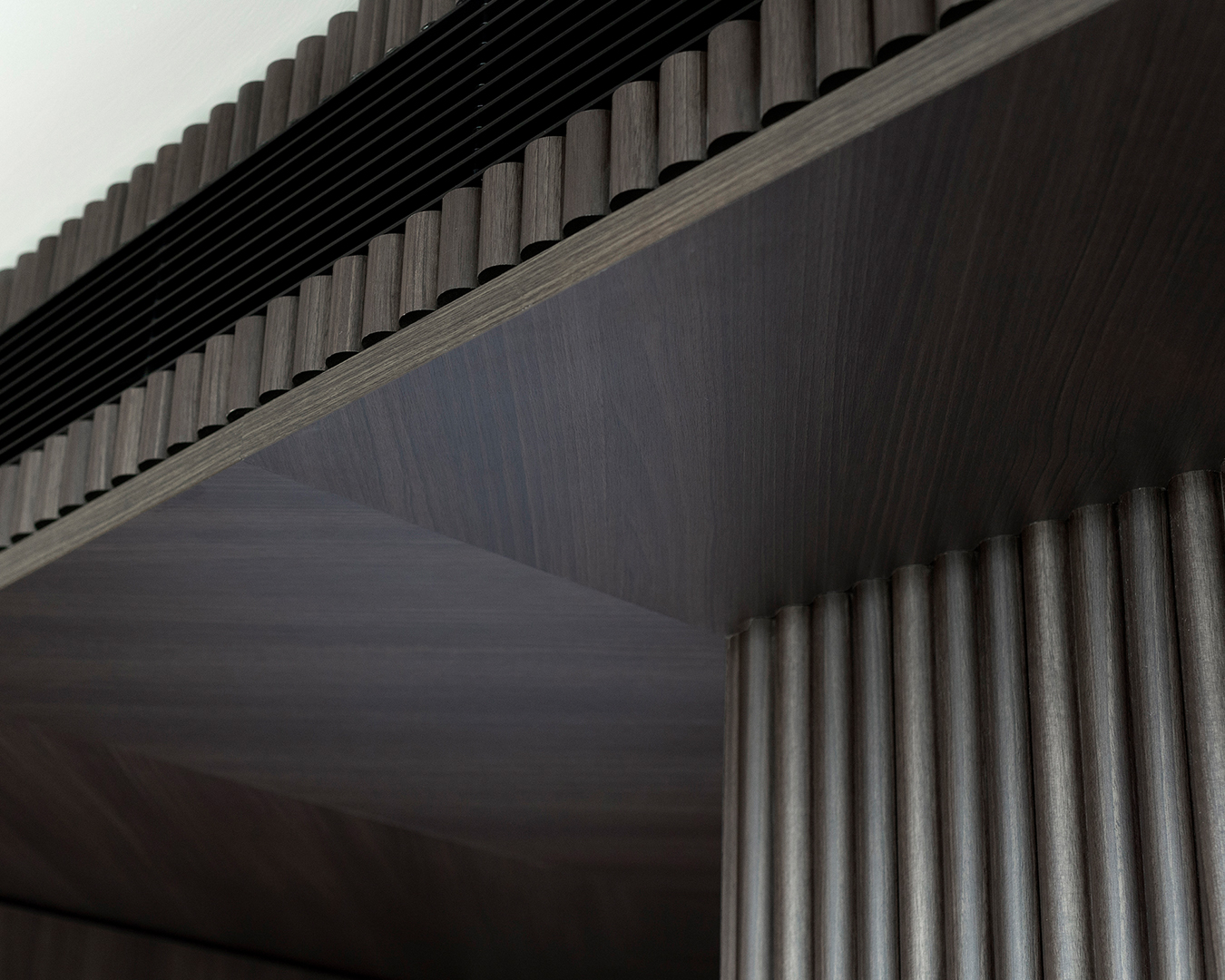
The integration of curved timber panels into contemporary architecture has become increasingly popular in recent years. This trend is largely driven by the desire to create sustainable and environmentally friendly buildings. As architects and designers seek to minimize their carbon footprint, they are turning to materials that not only reduce waste but also provide aesthetic appeal.
One of the primary advantages of curved timber panels is their unique ability to add visual interest to a space. Unlike flat panels, which can often appear dull and uninviting, curved panels create a sense of dynamism and energy. This is particularly evident in buildings that feature sweeping curves or undulating lines, where the panels help to create a sense of flow and movement.
When specifying curved timber panels, it is essential to consider the structural requirements of the building. While these panels can be used to create striking visual effects, they must also be able to withstand the stresses and strains of everyday use. In some cases, this may require additional support or reinforcement to ensure that the panels remain stable and secure.
In addition to their aesthetic appeal, curved timber panels also offer a range of practical benefits. For example, they can be used to create acoustic barriers or soundproofing solutions, reducing the impact of noise pollution on occupants. They can also be used to create natural ventilation systems, drawing in fresh air and reducing the need for artificial lighting.
The use of curved timber panels in contemporary architecture is not limited to residential buildings. Commercial and industrial projects are also incorporating these panels to create unique and functional spaces. For example, office buildings and shopping centers are using curved panels to create striking façades and interior features.
In conclusion, the integration of curved timber panels into contemporary architecture offers a range of benefits, from aesthetic appeal to practical functionality. As architects and designers continue to seek out sustainable and environmentally friendly materials, these panels are likely to remain a popular choice for building projects of all types.
To learn more about the benefits and applications of curved timber panels, visit the website of a leading supplier of these materials. Their website features a range of resources and information, including curved timber panels and other sustainable building solutions.
When specifying curved timber panels, it is essential to consider the structural requirements of the building. While these panels can be used to create striking visual effects, they must also be able to withstand the stresses and strains of everyday use. In some cases, this may require additional support or reinforcement to ensure that the panels remain stable and secure.
The use of curved timber panels in contemporary architecture is not limited to residential buildings. Commercial and industrial projects are also incorporating these panels to create unique and functional spaces. For example, office buildings and shopping centers are using curved panels to create striking façades and interior features.
In addition to their aesthetic appeal, curved timber panels also offer a range of practical benefits. For example, they can be used to create acoustic barriers or soundproofing solutions, reducing the impact of noise pollution on occupants. They can also be used to create natural ventilation systems, drawing in fresh air and reducing the need for artificial lighting.
The benefits of curved timber panels extend beyond their aesthetic appeal and practical functionality. They also offer a range of environmental benefits, including reduced waste and carbon emissions. As architects and designers continue to seek out sustainable and environmentally friendly materials, these panels are likely to remain a popular choice for building projects of all types.
To learn more about the benefits and applications of curved timber panels, visit the website of a leading supplier of these materials. Their website features a range of resources and information, including curved timber panels and other sustainable building solutions.
Design Considerations
When specifying curved timber panels, there are a number of design considerations to keep in mind. These include the size and shape of the panels, as well as the type of timber used. For example, curved panels made from hardwoods such as oak or maple are often more durable and long-lasting than those made from softwoods.
In addition to the type of timber used, the design of the building itself must also be taken into account. For example, buildings with complex curves or undulating lines may require custom-made panels to ensure a smooth and seamless finish.
Structural Requirements
As mentioned earlier, curved timber panels must be able to withstand the stresses and strains of everyday use. In some cases, this may require additional support or reinforcement to ensure that the panels remain stable and secure.
To ensure that the panels are able to withstand these stresses, it is essential to specify the correct type and amount of support or reinforcement. This may involve working with a structural engineer or other specialist to determine the best course of action.
Conclusion
In conclusion, the integration of curved timber panels into contemporary architecture offers a range of benefits, from aesthetic appeal to practical functionality. As architects and designers continue to seek out sustainable and environmentally friendly materials, these panels are likely to remain a popular choice for building projects of all types.
To learn more about the benefits and applications of curved timber panels, visit the website of a leading supplier of these materials. Their website features a range of resources and information, including curved timber panels and other sustainable building solutions.