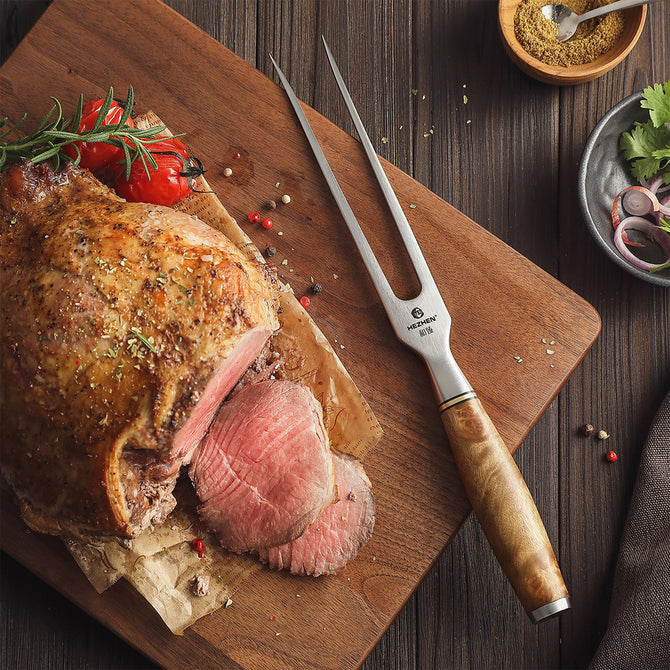
Carving a roast, turkey, or prime cut of meat can be a daunting task, especially when the goal is a flawless presentation. The right carving fork not only provides stability but also enhances control, allowing each slice to be uniform and elegant. This guide explores the essential features of an ultimate meat carving fork, explains how to choose the best tool for the job, and offers practical tips for achieving a restaurant-quality display at home.
Key Features of an Ideal Meat Carving Fork
- Sturdy Construction: A solid shaft made from durable materials such as bamboo, stainless steel, or reinforced composite ensures the fork can bear the weight of heavy roasts without bending.
- Ergonomic Handles: Comfortable grips reduce hand fatigue during prolonged carving sessions and provide precise maneuverability.
- Sharp, Tine-Shaped Prongs: Well-sharpened tines grip the meat securely, preventing slipping while slicing.
- Balanced Weight: Even distribution of weight between the handle and the head promotes smooth, controlled motions.
- Easy Maintenance: Materials that are dishwasher-safe or easy to hand-wash prolong the fork’s lifespan and keep it hygienic.
Choosing the Right Carving Fork for Different Meats
Roasts and Prime Cuts
Large roasts require a fork with longer tines and a robust shaft. Look for a fork that can be inserted deep into the meat to hold it steady while a carving knife does the work. Read more about this topic.
Poultry
When carving turkey or chicken, a fork with slightly shorter tines offers better control around the bones. An ergonomic handle is especially beneficial for maneuvering around the cavity without damaging the skin.
Game and Specialty Meats
Game meats often have irregular shapes and tougher textures. A fork with reinforced tines and a heavier head provides the extra leverage needed to keep the meat stable during precise cuts.
Maintenance and Care Tips
- Rinse the fork immediately after use to prevent meat juices from drying on the surface.
- For bamboo or wooden handles, apply a food-safe mineral oil periodically to maintain moisture resistance.
- If the fork is stainless steel, a quick dip in the dishwasher is usually sufficient; however, avoid harsh abrasives that could dull the tines.
- Store the fork in a dry environment, preferably hanging or in a utensil drawer with a protective sleeve.
Enhancing Presentation with Proper Technique
Even the best fork cannot compensate for poor carving technique. Follow these steps for a polished finish:
- Rest the Meat: Allow the cooked meat to rest for 10-15 minutes. This redistributes juices and makes the meat firmer.
- Secure with the Fork: Insert the fork at the thickest part of the roast, ensuring the tines are fully embedded.
- Slice Against the Grain: Identify the direction of muscle fibers and cut perpendicular to them for maximum tenderness.
- Use Even Pressure: Apply gentle, consistent pressure with the fork while guiding the knife to produce uniform slices.
- Arrange Neatly: Place slices on a warm platter, overlapping slightly for an attractive cascade effect.
Why a Quality Carving Fork Matters
A high-quality carving fork contributes to safety, efficiency, and aesthetics. It reduces the risk of the meat slipping, which can cause uneven cuts or even injury. Moreover, a well-designed fork adds a touch of professionalism to any dining setting, reinforcing the visual appeal of the dish.
Additional Resources
For those interested in exploring a broader selection of carving tools, detailed specifications, and material comparisons, Explore further insights here. This resource provides comprehensive information that can help refine the choice of the perfect fork for any culinary need.
Conclusion
Investing in the ultimate meat carving fork is a small yet impactful step toward achieving restaurant-grade presentation at home. By focusing on construction quality, ergonomic design, and proper maintenance, anyone can master the art of carving with confidence. Pair the right fork with practiced technique, and each slice will showcase both flavor and finesse.