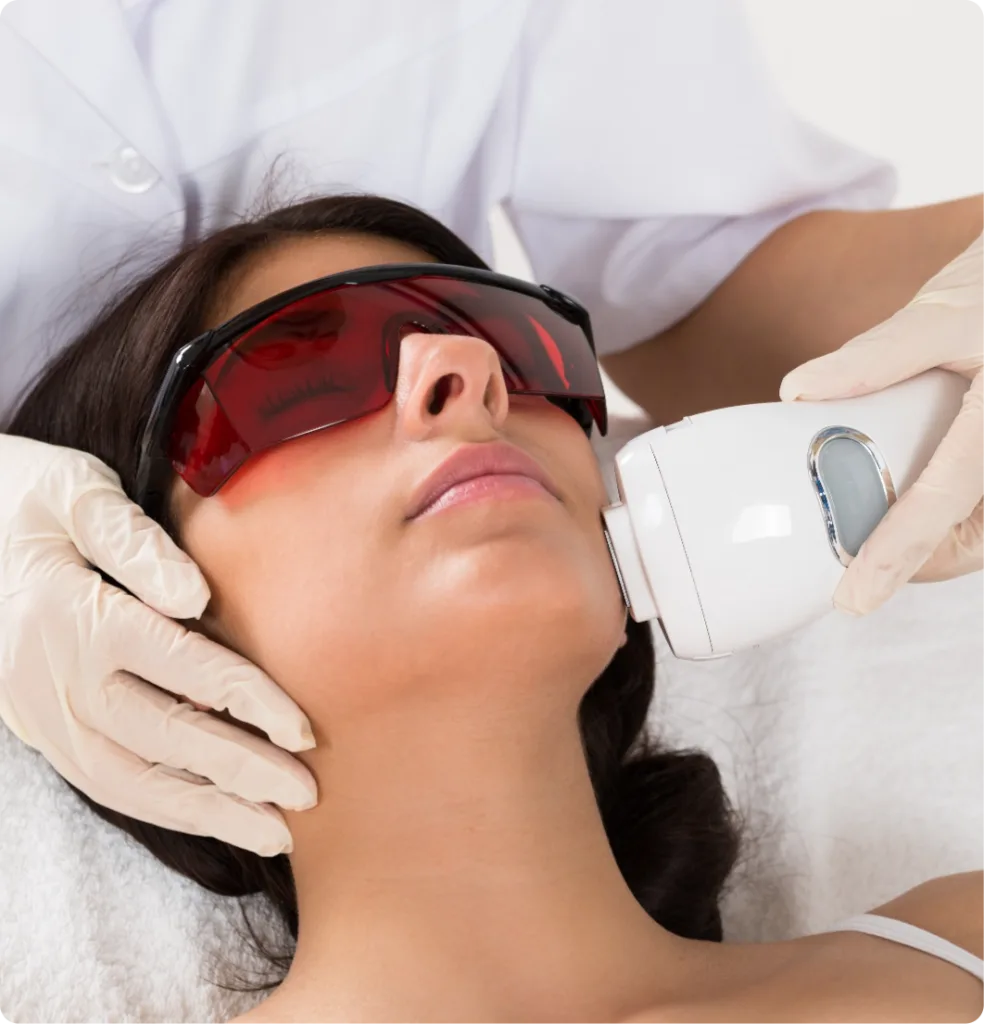
Achieving smooth, hair-free skin has never been more attainable thanks to the advances in Intense Pulsed Light (IPL) technology. Modern IPL devices offer a safe, effective alternative to traditional hair-removal methods, delivering long-lasting results with minimal discomfort. This article explores the science behind IPL, key factors to consider when choosing a system, and practical tips for maximizing results, ensuring that readers can confidently embark on their journey to flawless skin.
Understanding IPL Hair Removal
IPL works by emitting a broad spectrum of light that targets melanin in the hair follicle. The absorbed light converts to heat, disabling the follicle’s ability to produce new hair while leaving surrounding skin unharmed. Unlike laser treatments that use a single wavelength, IPL’s multiple wavelengths make it versatile for a range of skin tones and hair colors.
Why IPL Outperforms Traditional Methods
- Long-term reduction: Consistent treatments can lead to a permanent decrease in hair growth.
- Cost-effective: After the initial investment, there are no recurring salon fees.
- Convenient at-home use: Many devices are designed for safe home application.
- Minimal downtime: Most users experience only mild redness that fades quickly.
For a deeper dive into the technology, Discover expert strategies here.
Choosing the Right IPL Device
Selecting an IPL system involves evaluating several criteria to match personal needs and skin characteristics. Below are the essential considerations:
- Skin tone compatibility: Look for devices with adjustable intensity levels and a built-in skin tone sensor.
- Flash count: Higher flash counts provide more treatment sessions before replacement is needed.
- Safety features: Features such as skin contact sensors and automatic shut-off enhance safety.
- User reviews and clinical data: Credible evidence of efficacy and safety should be readily available.
To explore curated options and detailed specifications, Learn about our tailored solutions.
Preparing Your Skin for IPL
Proper preparation maximizes the effectiveness of each session and reduces the risk of irritation. Follow these steps before each treatment:
- Shave the target area 24-48 hours prior, this allows the light to focus on the follicle without interference from surface hair.
- Avoid sun exposure and tanning products for at least two weeks; increased melanin can cause discomfort.
- Apply a gentle, fragrance-free moisturizer to keep the skin hydrated.
- Perform a patch test on a small area to gauge skin response.
Executing the IPL Treatment
When using an IPL device, consistency and technique are key. Below is a step-by-step guide:
- Cleanse: Remove any lotions, oils, or makeup from the treatment area.
- Set the intensity: Choose the level recommended for your skin tone; start low and increase gradually.
- Position the device: Ensure full skin contact; most devices will not fire unless contact is detected.
- Flash: Apply a series of pulses, overlapping slightly to cover the entire area.
- Cool down: After treatment, soothe the skin with a cool compress or aloe-based gel.
For a comprehensive guide that includes troubleshooting tips, Explore advanced guides and tips.
Post-Treatment Care and Maintenance
Effective after-care ensures optimal results and minimizes side effects. Adopt the following routine:
- Avoid hot showers, saunas, and vigorous exercise for 24 hours.
- Apply a broad-spectrum sunscreen (SPF 30 or higher) daily to protect treated skin.
- Schedule treatments every 2-4 weeks initially; maintenance sessions can be spaced further apart after noticeable hair reduction.
- Monitor skin changes and adjust intensity settings as hair becomes finer.
Common Questions About IPL
Is IPL suitable for all skin types?
Modern IPL systems are designed with adjustable filters and sensors that broaden suitability, but individuals with very dark skin may experience reduced efficacy and higher risk of discoloration. Consulting a dermatologist before starting is advisable.
How many sessions are needed for permanent results?
Most users achieve significant reduction after 6-12 sessions, followed by maintenance treatments every 6-12 months. Results vary based on hair density, color, and hormonal factors.
Can IPL be used on facial hair?
Yes, but facial skin is more sensitive. Choose a device with a lower fluence setting and consider a shorter interval between sessions to avoid irritation.
Conclusion
IPL hair removal offers a scientifically backed, cost-effective pathway to smooth, hair-free skin. By understanding the technology, selecting an appropriate device, and following best-practice preparation and after-care protocols, users can achieve lasting results with confidence. For those ready to transition from temporary solutions to a permanent approach, IPL stands out as the premier choice.