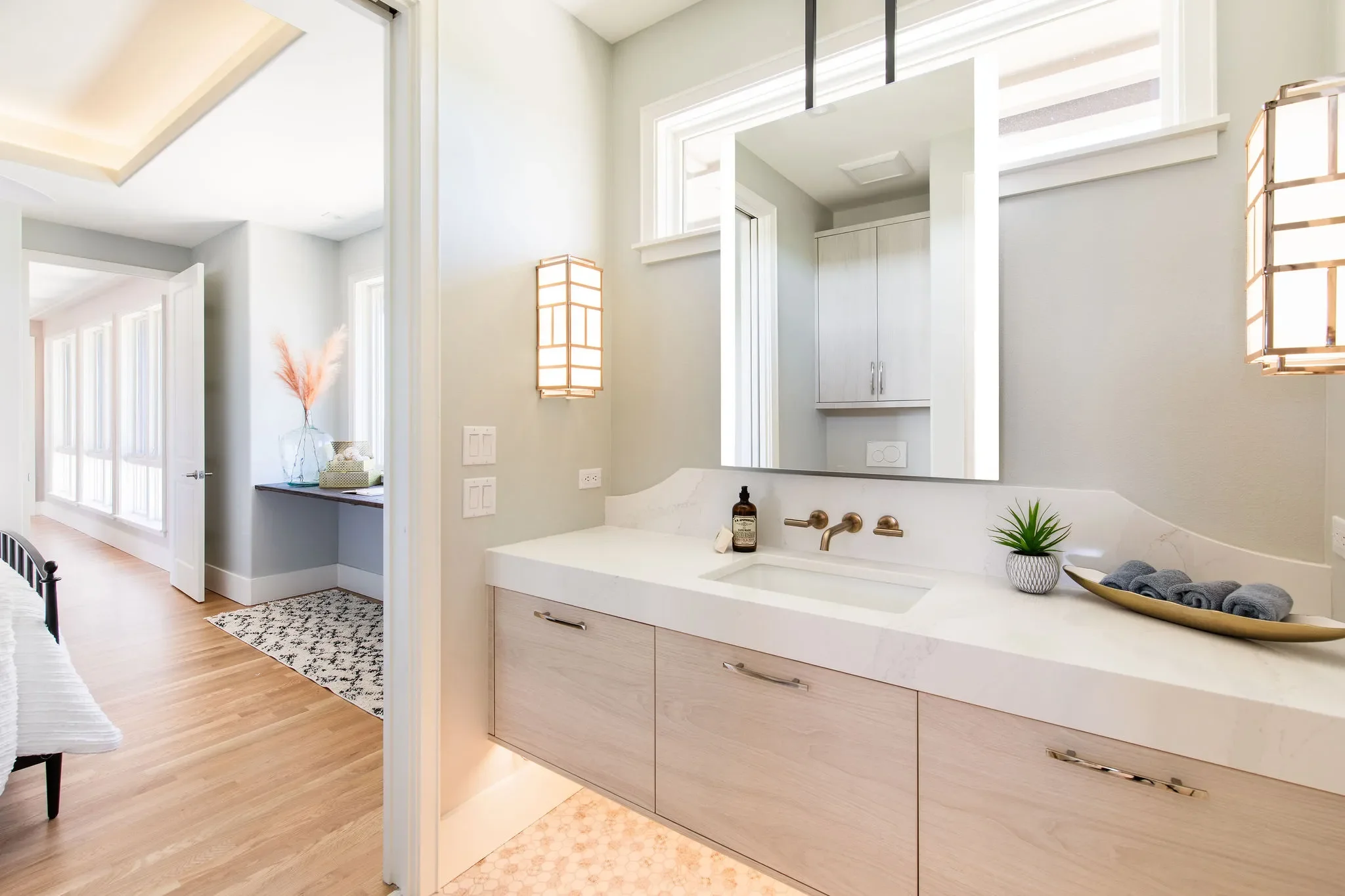
Designing a custom luxury home is more than assembling premium materials and high-end finishes; it is the art of translating a client’s deepest aspirations into a living masterpiece. From site selection and architectural concept to interior flow and sustainable technology, every decision shapes an environment that feels both exclusive and intimately personal. This article explores the essential steps, design principles, and practical considerations that empower homeowners to create the ultimate dream residence.
Defining the Vision: From Inspiration to Blueprint
Before any line is drawn, a clear vision must be established. This phase involves:
- Identifying lifestyle priorities – entertaining, privacy, family spaces, or wellness areas.
- Analyzing the site’s orientation, topography, and natural features.
- Gathering visual references such as mood boards, travel photography, and architectural magazines.
Professional guidance can streamline this process. Discover expert strategies here. By aligning personal taste with functional requirements, the foundation for a cohesive design is set.
Architectural Framework: Form Meets Function
Spatial Planning
Effective spatial planning balances grandeur with intimacy. Key considerations include:
- Open-plan living areas that encourage fluid movement and natural light.
- Private retreats such as master suites, home offices, and spa-like bathrooms.
- Flexible rooms that can evolve with changing family needs.
Material Selection
Luxury is expressed through tactile quality. Preferred materials often feature:
- Natural stone veneers and marble for timeless elegance.
- Exposed timber beams that add warmth and texture.
- High-performance glass that maximizes views while improving energy efficiency.
Choosing the right palette requires both aesthetic intuition and technical knowledge. Learn about our tailored solutions.
Integrating Technology and Sustainability
Modern luxury homes are expected to be smart, sustainable, and resilient. Incorporating advanced systems enhances comfort and reduces long-term operating costs.
- Home automation: Centralized control of lighting, climate, security, and entertainment.
- Renewable energy: Solar panels, geothermal heating, and energy-efficient appliances.
- Water management: Rainwater harvesting, grey-water recycling, and low-flow fixtures.
For a deeper dive into integrating these technologies without compromising design integrity, Explore advanced guides and tips.
Interior Design: Crafting the Sensory Experience
The interior narrative should echo the architectural language while reflecting the homeowner’s personality. Essential elements include:
- Custom millwork: Built-in cabinetry, wall panels, and handcrafted furniture.
- Lighting design: Layered schemes combining ambient, task, and accent lighting.
- Art and accessories: Curated pieces that add character and focal points.
Balancing scale, proportion, and texture creates a harmonious environment where each room feels intentional yet inviting.
Project Management: From Concept to Completion
Executing a custom luxury home demands meticulous coordination among architects, engineers, contractors, and artisans. Successful project management hinges on:
- Clear communication of design intent through detailed drawings and specifications.
- Regular site inspections to ensure quality control and adherence to timelines.
- Flexibility to adapt to unforeseen challenges while preserving the original vision.
Engaging experienced professionals can mitigate risk and keep the project on track. Find out more about this approach.
Conclusion
Creating a custom luxury home is a collaborative journey that blends visionary design, cutting-edge technology, and impeccable craftsmanship. By defining a clear vision, embracing sustainable innovation, and executing with disciplined project management, homeowners can realize a residence that stands as a timeless expression of their dream lifestyle. The result is not merely a house, but a curated living experience that offers comfort, prestige, and lasting value.