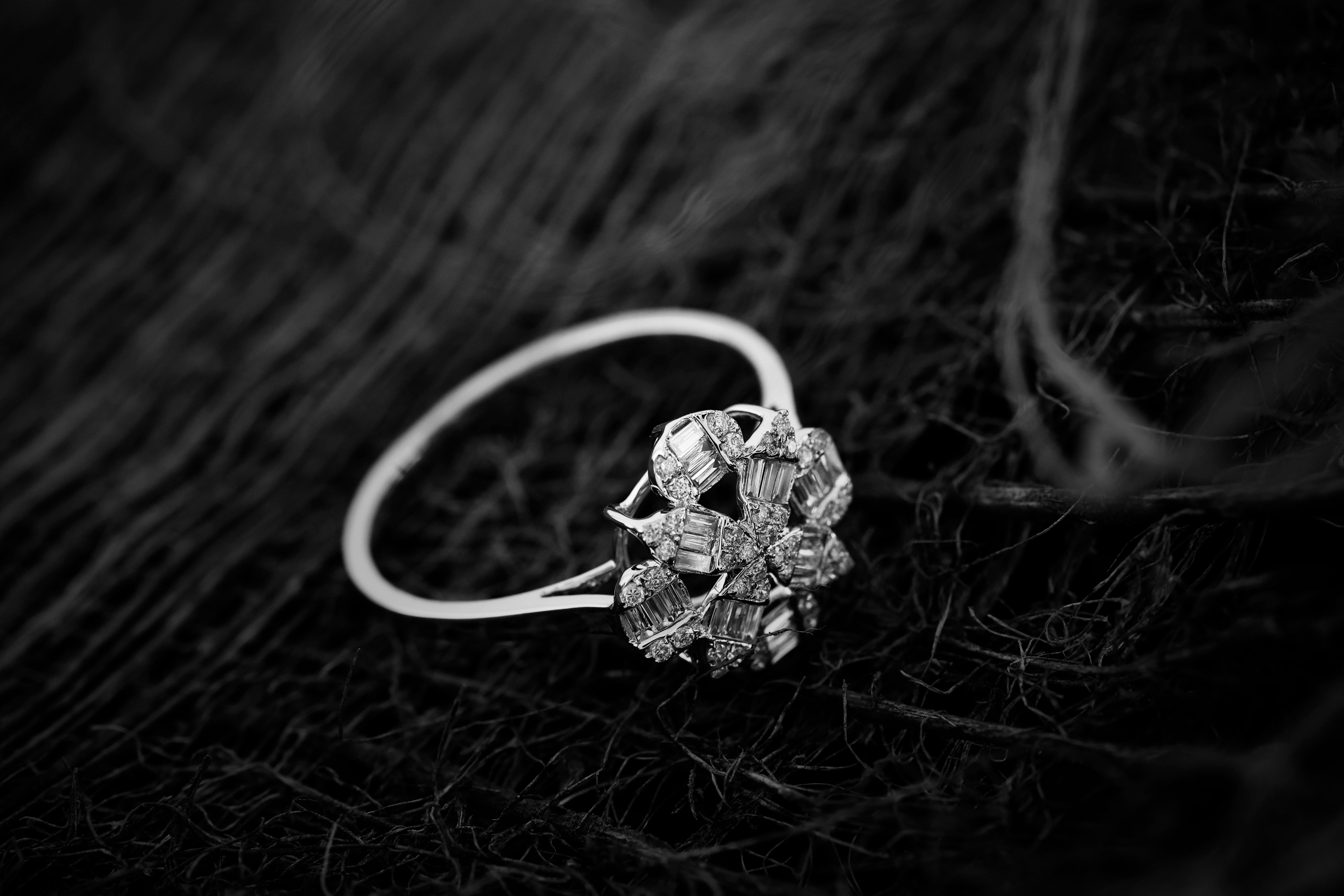
Choosing the perfect diamond engagement ring is a significant moment in one’s life, symbolizing love, commitment, and the beginning of a shared future. The world of diamond rings offers a vast array of styles, cuts, and settings, each with its own unique charm and appeal. For those embarking on this journey, understanding the various options available is crucial to ensuring that the chosen ring reflects personal taste and sentiment. This guide serves to provide insights into selecting stunning diamond engagement rings that embody elegance and timelessness.
Understanding Diamond Basics
Before diving into the myriad of styles and settings, it is essential to grasp the fundamental aspects of diamonds. Known as the “Four Cs,” these criteria are pivotal in assessing the quality and value of diamonds:
- Cut: The cut of a diamond influences its sparkle and brilliance. A well-cut diamond reflects light beautifully, enhancing its natural allure.
- Color: Diamonds are graded based on their colorlessness. The less color a diamond has, the higher its value.
- Clarity: This refers to the presence of any imperfections or inclusions within the diamond. Higher clarity ratings denote fewer imperfections.
- Carat Weight: This measures the size of the diamond. Larger diamonds are often more sought after, but the other Cs play a significant role in determining overall beauty and value.
Learn more in this detailed guide about the Four Cs and how they influence diamond selection.
Exploring Diamond Ring Settings
The setting of a diamond ring is crucial in defining its style and securing the stone. Here are some popular settings to consider:
- Prong Setting: Classic and timeless, this setting uses metal prongs to hold the diamond, maximizing light exposure and enhancing brilliance.
- Bezel Setting: A modern choice where the diamond is surrounded by a metal rim, offering excellent protection and a sleek look.
- Pav?? Setting: The band is lined with small diamonds, adding extra sparkle and elegance to the ring.
- Halo Setting: A circle of smaller diamonds surrounds the main stone, creating a halo effect that amplifies the center diamond’s appearance.
For more insights into selecting the right setting, explore further insights here.
Choosing the Right Diamond Shape
Diamond shape is another critical factor and is often a reflection of personal style. Some popular shapes include:
- Round: Known for its classic appeal and maximized sparkle, the round diamond is a perennial favorite.
- Princess: With its square shape and modern aesthetic, the princess cut is both stylish and versatile.
- Emerald: Characterized by its rectangular shape and step cuts, this shape offers a unique, vintage charm.
- Oval: A variation of the round shape, the oval diamond is elongated, offering a larger appearance and elegant look.
Find additional information here about various diamond shapes and their characteristics.
Budget Considerations
Establishing a budget is an integral part of the diamond ring selection process. It is important to balance quality and expenditure, ensuring that the chosen piece meets both aesthetic desires and financial constraints. Consider the following when planning a budget:
- Prioritize the Four Cs based on personal preference and importance.
- Explore different settings and styles to find affordable options.
- Consider lab-grown diamonds as a cost-effective alternative.
For a comprehensive understanding of budgeting for diamond rings, read more about this topic.
Final Thoughts
Finding the perfect diamond engagement ring is a deeply personal and meaningful endeavor. By understanding the fundamental aspects of diamond selection, exploring various settings and shapes, and carefully considering budget constraints, the process can be both enjoyable and rewarding. Whether opting for a classic design or a contemporary twist, the ideal ring is one that captures the essence of the love and commitment it represents. Explore further insights here to aid in your search for the perfect match.